

The History
In 1805, William Mitchell purchased no.10 Grafton Street and set up a bakery and confectionary business.
In 1887, Robert Mitchell, a gentleman of not inconsiderable business acumen, expanded the business into whiskey bonding, moving shortly thereafter to new premises around the corner to No.21 Kildare Street. The family first commenced retailing the venerable Green Spot whiskey in 1933 at which time one could purchase “John Jameson & Son 10 Year Old Green Seal @ 180/-per dozen”
The Spot Range
Originally, there was a whole host of “Spot” whiskeys made by the Mitchell family back in the 1800s, including Green Spot, and Yellow Spot. The whiskies were made at the Jameson Distillery and placed into a variety of empty barrels provided by the Mitchells then aged back at their cellars.
The casks would then be matured in their warehouses and they signified the age by a dab of paint. That dab of paint is how the spot range got its name. Blue is the youngest range, green was 10 years, yellow was 12 and red was 15.
Green Spot
 The nose has hints of peppermint, malt and sweet barley. Flavors of sugary porridge, creamy vanilla and citrus are also present. On the palate, one can taste a combination of gentle bourbon oak, green wood, menthol and potpourri. Green Spot has a balanced spicy, yet soft, flavor. It has a very pleasant and light body. Finally, Green Spot finishes long and creamy. Punches of vanilla, warm fruit and hazelnut are also present in the finish. It is known to leave one craving more.
Yellow Spot

The nose of Yellow spot has notes of peach and apricot with honey and a hint of spice. The palate is as fruity as the nose with flavors of milk chocolate, fresh coffee and notes of toasted oak. The finish is again sweet with notes of apricots and red grapes that is sophisticated and complex.
Don’t miss out on your chance to have a piece of Irish whiskey history. It’s available in Payless Liquor Stores now , but to ensure you get your hands on this iconic whiskey, we recommend reserving a bottle through the Contact Us page. Just include that you would like to reserve a bottle in the comment/question section.


 This singular blend scotch has been aged for more than a quarter of a century. Those 26 years allowed the flavors of each scotch to mold together, blending perfectly. Upon opening the bottle, the scent is sweet, but oaky. The flavors of each scotch are separate, yet blended. The taste is oaky and slightly oily from Ladyburn, yet sweet, fruity, and floral notes are present from Inverleven. The finish is long, intense, and smooth. Kinsman describes the overall experience on the palate as “deep and intense, with a creamy mouthful followed by delicate spice and toasted almonds.”
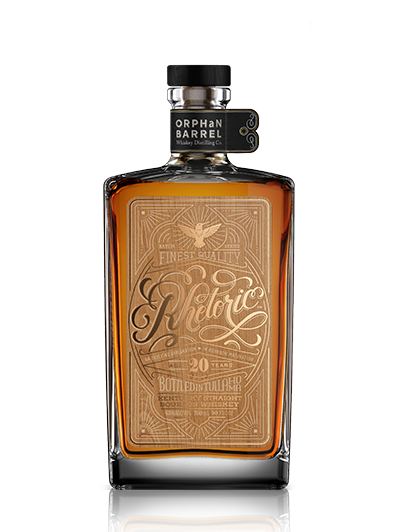 Barterhouse, Orphan Barrel has been releasing better tasting, more complex versions of Rhetoric each year. And each new year brings with it more mature flavors and character. This year, the whiskey has been aged 21 years.
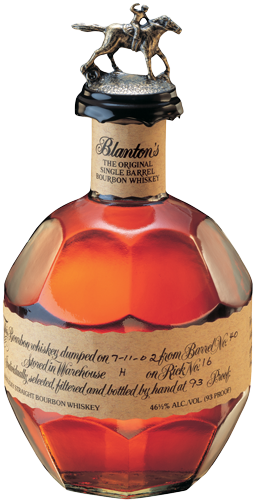 limited supply of bourbon, his private reserve. This bourbon was bottled for himself to enjoy along with his family and friends and important ambassadors and dignitaries. Albert Blanton spent countless hours tasting barrel after barrel until he found a pattern. He found that the best barrels came from the “center-cut” or middle sections of what is now Warehouse H. From then on, those were the only barrels he used for his single barrel bourbons.
 Jack Daniel’s has aged this whiskey in specially designed barrels containing deep groves inside. This allows the whiskey to have more contact with the layers of oak and adds to the complexity of flavors. Bottled at 100 proof, the whiskey itself is amber in color, with hues of deep orange. The smell is oaky with a pleasant smokiness while remaining sweet like honey and tropical fruits. The taste is refined and robust with complex notes of citrus and coconut mixing perfectly with those of spiced oak and soft smoke. The lingering taste of charred spice and ripe fruits will leave you wanting to take another sip.
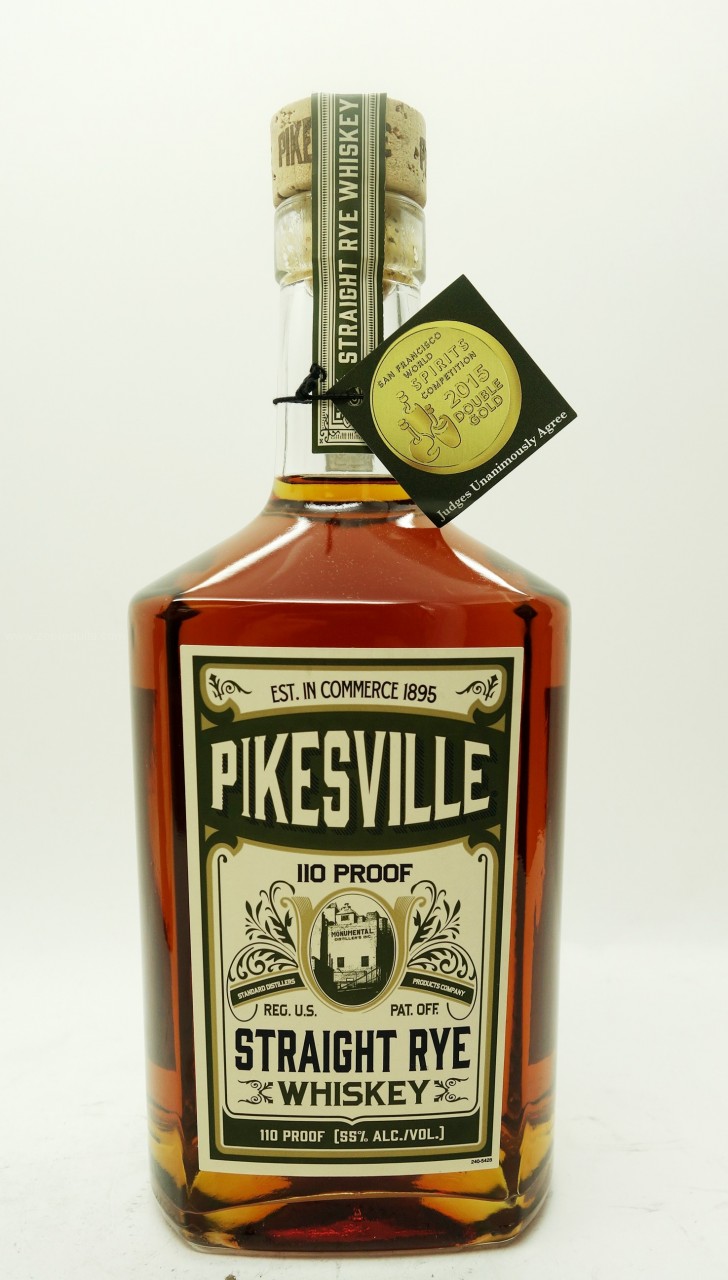 shattered by prohibition along with the rest of the Maryland Rye industry and reemerged after the ban. Now, Pikesville Rye is the last-standing brand from the Maryland Rye era.
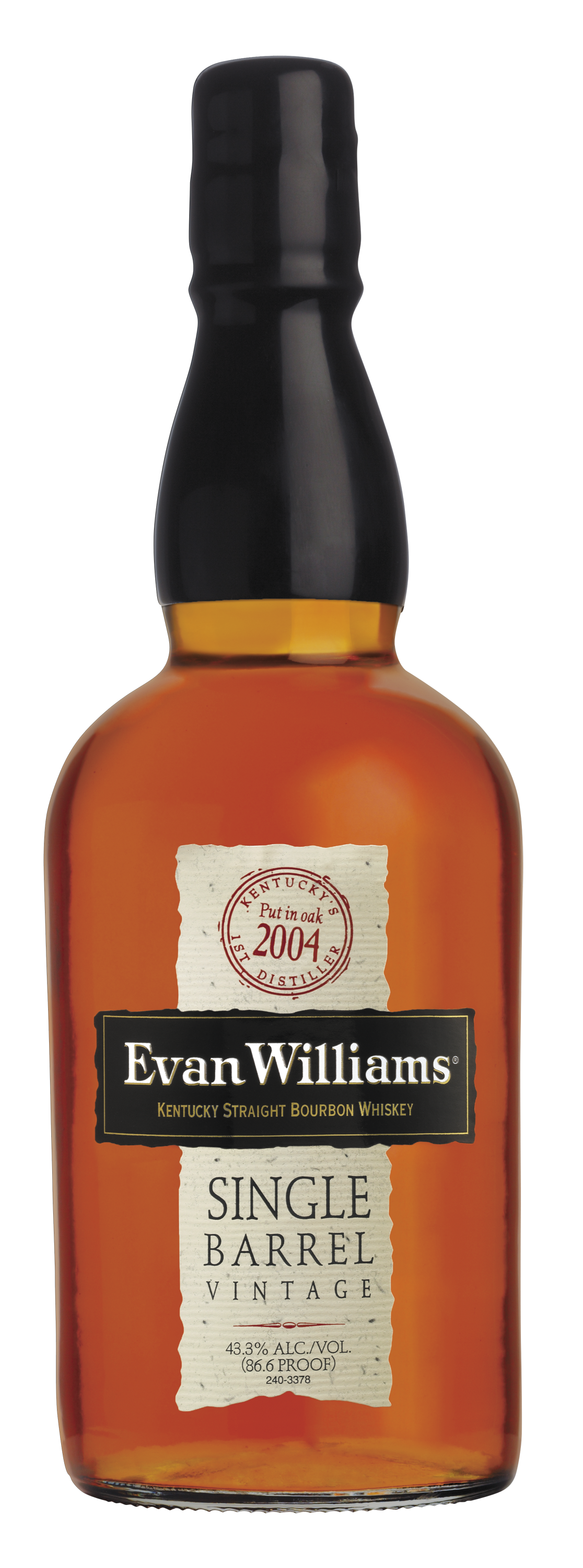 Each year, the Master Distiller at Evan Williams Distillery hand selects the barrels that meet his exacting standards to be bottled as a single barrel bourbon. Each bottle is vintage dated with the year that it was placed in the barrel and the year it was bottled. Additionally, the bottles contain the exact serial number of the barrel from which the bourbon was taken.
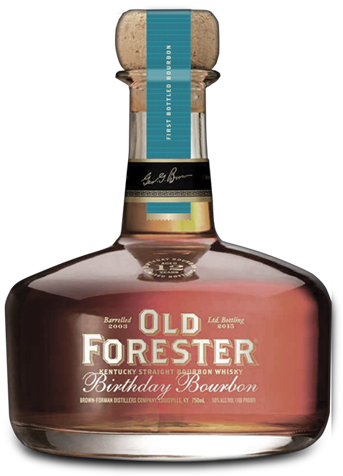 This year makes the 14th straight year of the release of the birthday bourbon and the experience is obvious. In contrast with previous years, this release contains fewer sweet notes and more spice, creating an overall bolder pour. The Old Forester 2015 Birthday Bourbon is bottled from a single day of production (June 13, 2003) and was aged for 12 years in a single warehouse. During these 12 years, the barrels were placed directly next to windows and a heating duct, exposing the bourbon to unusually hot temperatures. This heat resulted in very intense wood-delivered characteristics dominating the palate.
 Yellowstone’s Limited Edition Bourbon is the perfect mix of a seven-year rye whiskey, a seven-year wheat whiskey, and a 12-year rye whiskey. Some of these whiskies were chill filtered while others weren’t and each brings a unique flavor to the mix. The result has great depth and complexity. To ensure greatness, Steve Beam hand-selected the barrels of 12-year bourbon that he thought would round-out the flavor profile, creating an experience for the drinker.
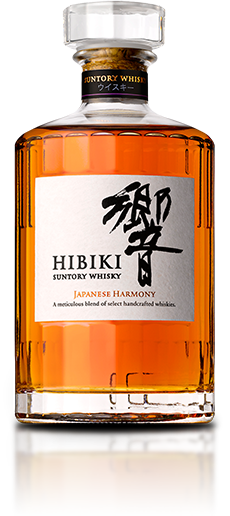 The Hibiki Harmony Japanese Whisky is a blend of the finest whiskies produced by the House of Suntory, each with at least 10 malts and grains with a variety of flavors and aromas that complement each other to perfection. With its amber color and hints of rosemary, fruitiness, and sandalwood in the aroma, this whisky will not disappoint. The flavor is a delicate mixture of honeylike sweetness, orange peel, and white chocolate, with a subtle spice that lingers, making you want to take another sip.
